

The Video That Made India Stop and Think
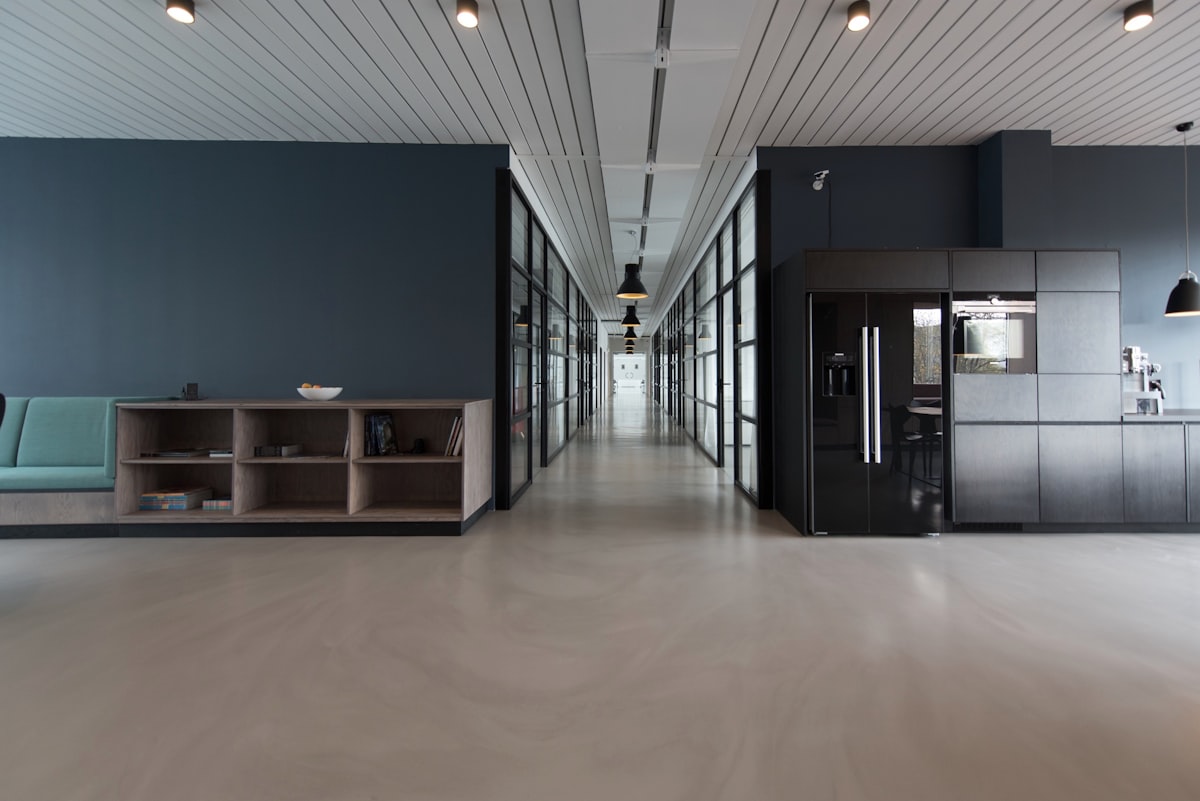
It was a simple, quiet video. A bright, modern Dutch office at exactly 5:00 PM. One by one, laptop screens begin shutting down automatically — not because anyone closed them, but because company policy enforces the right to disconnect at the end of the working day. Employees calmly pack their bags, laugh briefly with colleagues, and leave. No overtime. No guilt. No "just one more email." Just — done.
For millions of Indian professionals watching this video in late March 2026, it felt like a window into a parallel universe. The clip amassed over 50 million views across Indian social media within 48 hours and triggered one of the most intense national conversations about work culture, burnout, and employee rights that India has ever seen online.
Why This Specific Video Hit So Hard in India
The video resonated so deeply in India because it directly contradicted almost every message that Indian professionals receive about what "dedication" looks like. In large parts of Indian corporate culture — particularly in IT, banking, consulting, and startups — working long hours is not just expected. It is considered a virtue. Staying late signals commitment. Leaving on time can signal laziness.
This cultural narrative has been reinforced at the highest levels. Several prominent Indian business leaders have publicly called for 70 to 90 hour work weeks, arguing that India's economic development requires sacrifice. These statements generated controversy when made, but also reflected attitudes that genuinely exist across significant parts of Indian corporate leadership.
India vs Netherlands: The Work Culture Contrast
- Netherlands legally protects the Right to Disconnect for all employees.
- Average Dutch working week: approximately 29 hours — one of the lowest in the developed world.
- Average Indian IT professional working week: 55-70 hours, often more during project cycles.
- Netherlands ranks consistently in the top 5 globally for work-life balance satisfaction.
- India ranks among the countries with the highest reported levels of workplace burnout.
- Dutch law mandates minimum rest periods between shifts and strict overtime regulations.
- India's labor laws on working hours are widely acknowledged as poorly enforced.
The Mental Health Crisis Behind the Viral Moment
The timing of this video's viral spread was not accidental. India has been experiencing a growing and increasingly public mental health crisis in professional settings. Reports of young IT professionals collapsing from overwork, startup founders burning out, and junior bankers working 100-hour weeks had already been circulating for months before this video appeared.
WHO data shows overwork contributes to over 745,000 deaths globally each year. India, with its enormous and rapidly growing working population, is disproportionately exposed to this risk. Mental health professionals who commented on the video's virality noted that it gave millions of people permission to name something they had been feeling but couldn't articulate: this is not normal, and it doesn't have to be this way.
What Indian Professionals Are Actually Saying
The comments section on every repost became a fascinating social document. Responses broke broadly into three camps. The majority expressed envy, validation, and a longing for the balance shown in the video. A significant minority argued that India's developmental stage requires sacrifice, and that Dutch prosperity was built over centuries that India is still catching up to. A third group called for immediate legislative action — a formal Right to Disconnect law for Indian workers.
Will Anything Change?
India's Ministry of Labour is reportedly reviewing existing working hour regulations following years of pressure from labor advocates. Whether this viral moment generates legislative momentum or fades into the long list of trending conversations that produce no structural change remains to be seen. What is certain is that this video accelerated and amplified a conversation that was already building — and that conversations at this scale eventually shape policy.
Stay updated on social trends at Trend Reflected. Global work data from OECD and WHO.


