

The Weight Loss Drug Revolution: Why Everyone Is Talking About Ozempic
Ozempic, Wegovy, Mounjaro, Zepbound — these names were barely known outside diabetes clinics three years ago. In 2026, they are among the most searched health terms on the internet, the subject of celebrity confessions, heated medical debates, and one of the biggest pharmaceutical success stories in modern history. The GLP-1 receptor agonist drug class has fundamentally changed how doctors, patients, and the public think about obesity, weight management, and metabolic health.
The numbers are extraordinary. Ozempic and Wegovy (both semaglutide) have now been prescribed to over 50 million people worldwide. Clinical trials show average weight loss of 15-22% of body weight — results that were previously only achievable through bariatric surgery. The drugs work by mimicking a gut hormone that signals fullness, slows digestion, and — crucially — reduces food cravings at a neurological level. For many users, the experience of simply not feeling hungry all the time is described as life-changing.
How These Drugs Actually Work
GLP-1 (glucagon-like peptide-1) is a hormone naturally produced in the gut in response to eating. It signals the pancreas to produce insulin, signals the brain to reduce appetite, and slows the rate at which the stomach empties. GLP-1 receptor agonist drugs mimic this hormone artificially — and because the injected version has a much longer half-life than the natural hormone, the effect on appetite suppression lasts for days rather than hours.
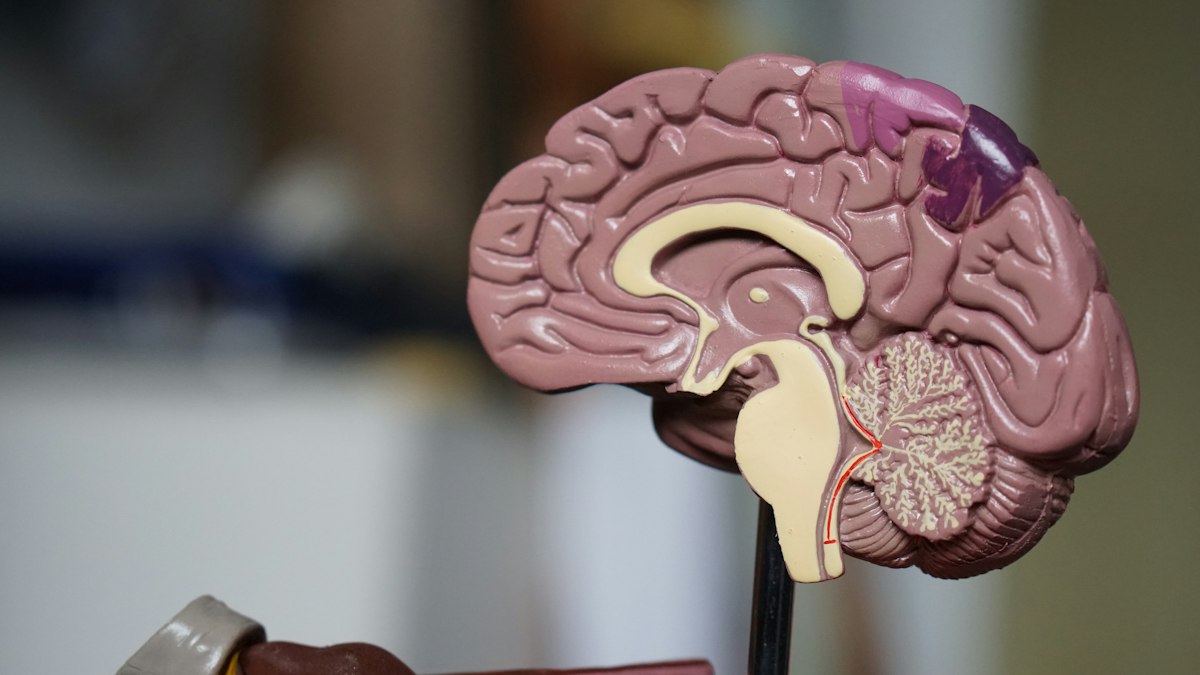
The brain component is what users find most remarkable. Many describe that constant background noise of food cravings — the persistent pull toward snacking, overeating, thinking about food — simply going quiet. For people who have struggled with this their entire lives and been told it was purely a willpower issue, discovering it has a biological basis treatable by medication is genuinely transformative.
Who Is Using These Drugs
- Originally approved for Type 2 diabetes management (Ozempic).
- Now approved for chronic weight management in obese and overweight adults (Wegovy).
- Mounjaro and Zepbound (tirzepatide) show even greater weight loss — up to 22% of body weight.
- Celebrities, executives, and high-profile figures are openly discussing their use.
- Prescription rates have grown by over 300% in two years across the US, UK, and India.
- Off-label prescribing for cosmetic weight loss is creating ethical and supply debates.
The Side Effects and Risks You Need to Know
These drugs are not without significant side effects. Nausea, vomiting, diarrhea, and constipation are common, especially in the first weeks of treatment. More serious concerns include a possible increased risk of pancreatitis and a theoretical risk of thyroid tumors seen in animal studies (though not confirmed in humans). Muscle loss alongside fat loss — if the drug is used without adequate protein intake and resistance training — is a growing concern among sports medicine specialists.
Rebound weight gain after stopping the drug is also well-documented. Because the drug treats the biology of appetite rather than the underlying habits, many users regain significant weight within a year of discontinuing. This has led to debates about whether these drugs should be prescribed as long-term or even lifetime treatments.
Natural Alternatives and Supportive Supplements
For people who cannot access or afford these medications, or who prefer natural approaches, several evidence-backed alternatives exist. High-protein diets, resistance training, adequate sleep, and stress management all have significant effects on appetite regulation hormones. Read detailed guides on natural weight management approaches at HealthReflected.
Supplements that support metabolism and appetite control — though none match GLP-1 drugs in clinical efficacy — include berberine (often called "nature's Ozempic"), glucomannan fiber, and protein powders that support satiety. Popular options available on Amazon:
For all health and trending news, follow Trend Reflected. Medical information from New England Journal of Medicine and WHO.


